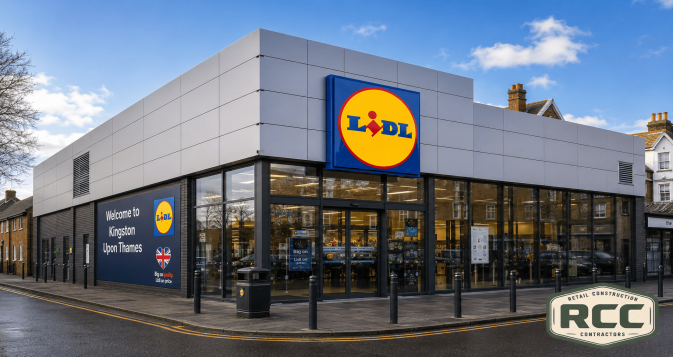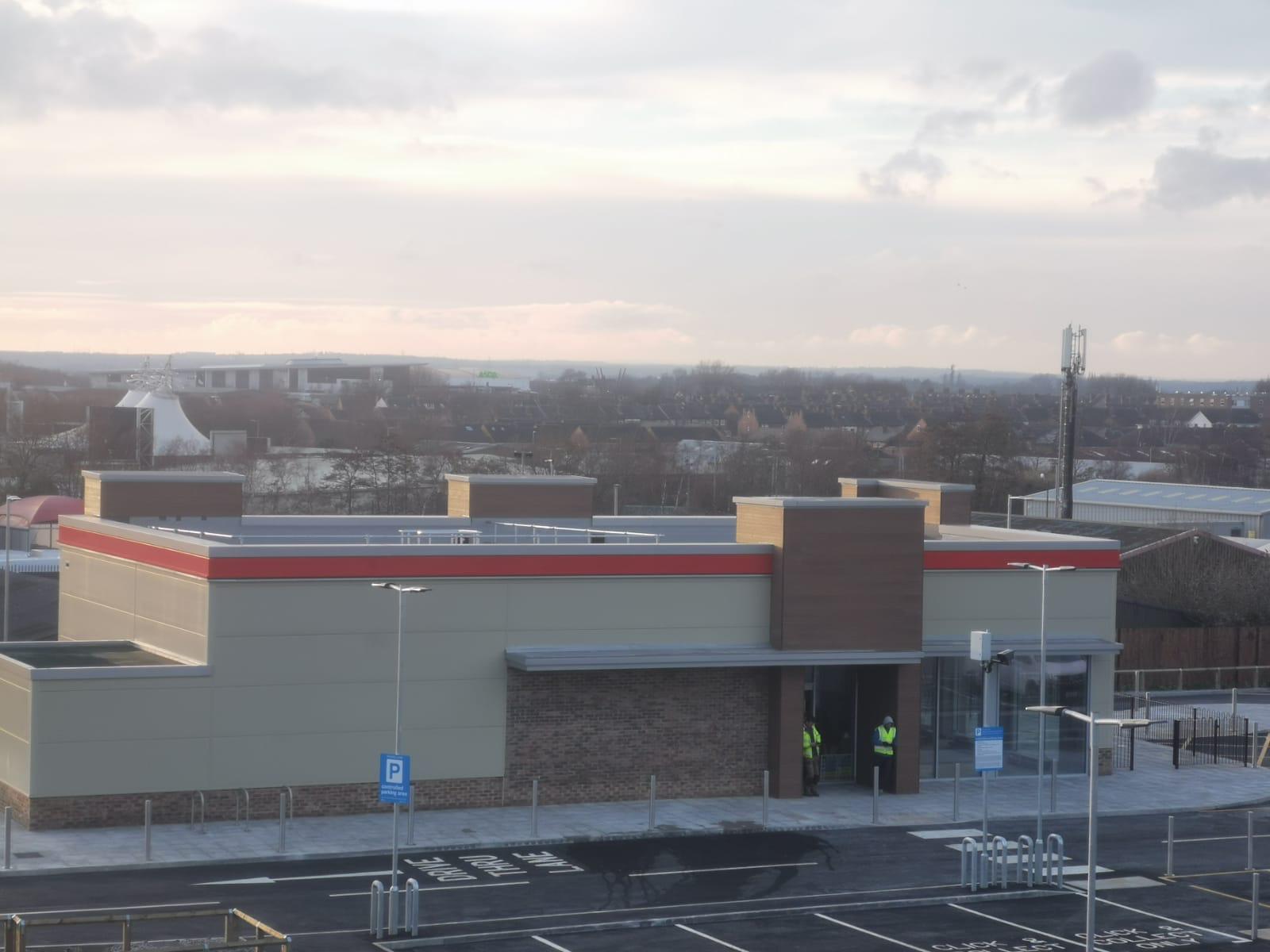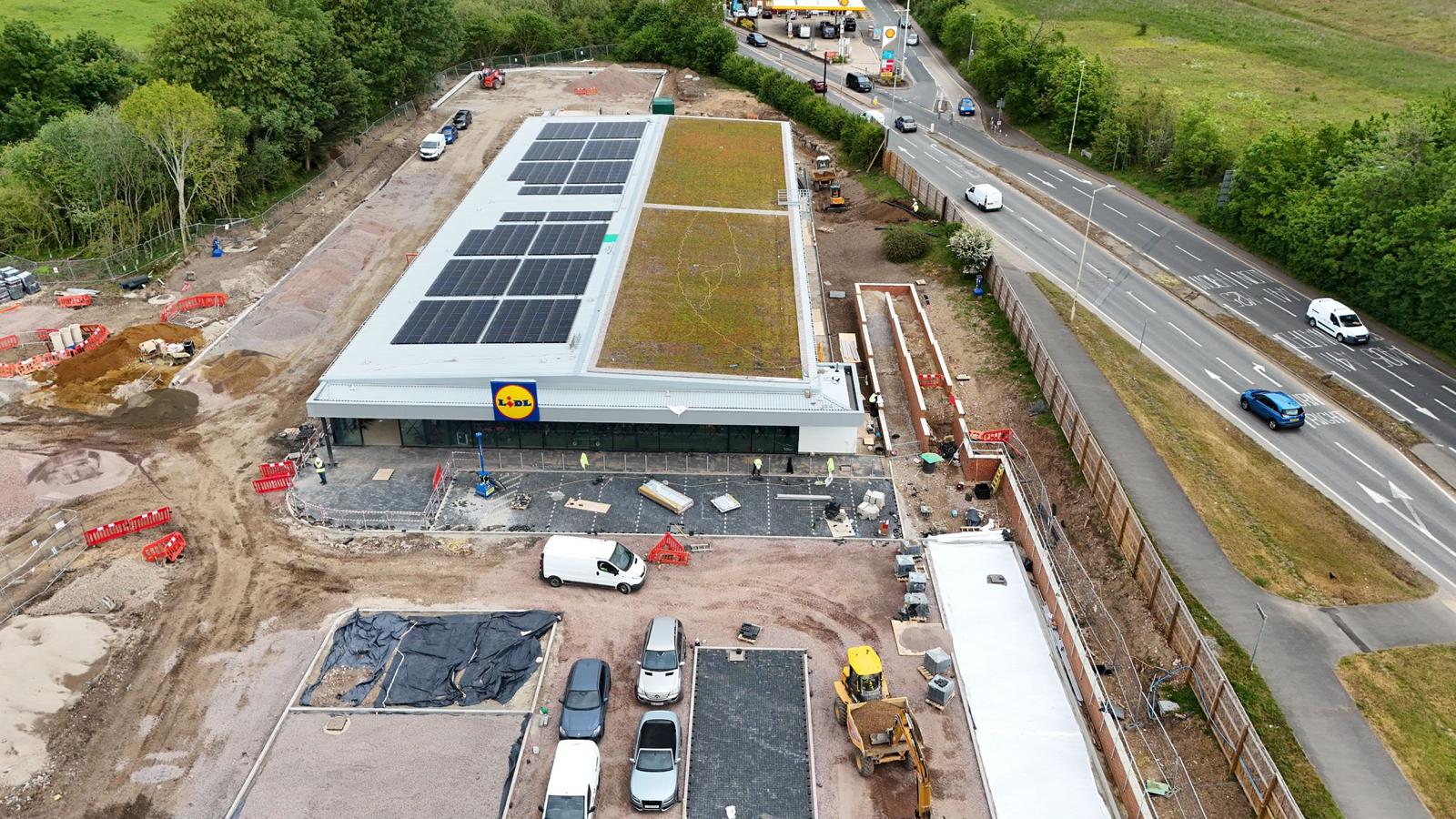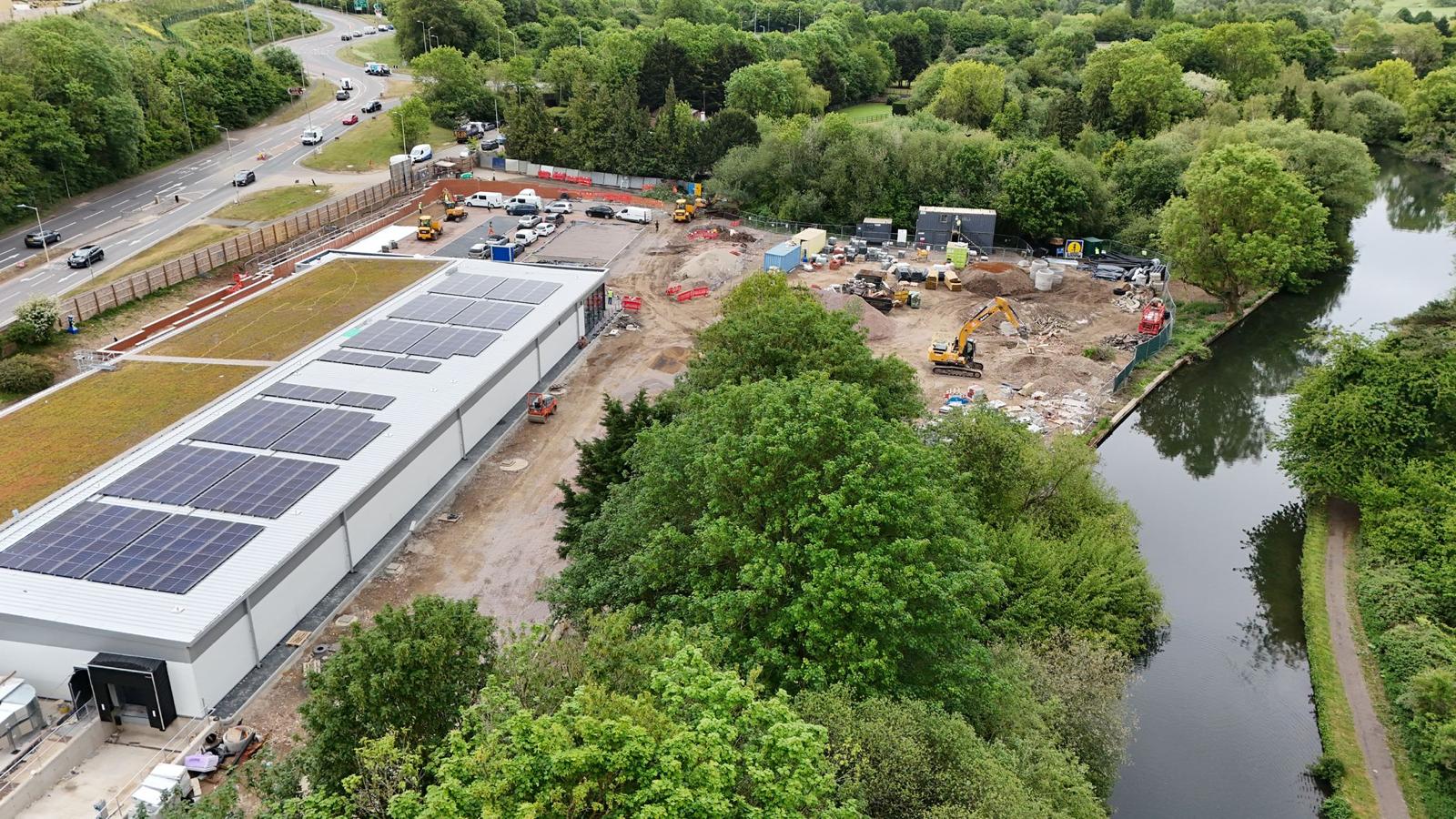
Your store is your brand's physical presence. When it's tired, dated, or no longer working for your customers, refurbishment isn't a cost; it's a commercial decision. Done right, a well-executed retail refurbishment drives footfall, increases dwell time, improves conversion rates, and significantly extends the life of your retail space. At Retail Construction Contractors, we support retail refurbishment projects with a practical, delivery-led approach built around the realities of live commercial environments. Whether the requirement is a full retail modernisation, internal reconfiguration, phased refurbishment programme, exterior upgrade or wider asset improvement, our focus remains the same: delivering commercially functional retail spaces with strong project control from start to finish.
RCC is a specialist retail refurbishment contractor delivering store modernisations, phased refits, and full strip-out and rebuild programmes for national retailers, independent operators, and food retail brands across the UK. We operate as the principal contractor on every project, one team, one contract, full accountability from the first site visit to the final handover.
Changing customer expectations, evolving brand standards, operational inefficiencies, ageing interiors, compliance requirements and commercial repositioning all create reasons to refurbish existing retail spaces. But retail refurbishment projects bring their own challenges. Unlike many standard commercial upgrades, retail work often involves tight programmes, customer-facing environments, access constraints, technical services coordination, and the need to minimise operational disruption wherever possible.
Retail refurbishment ranges from a cosmetic refresh to a full structural transformation. The scope depends on the condition of your existing space, your brand's current standards, and how the store needs to perform after the works.
A typical retail refurbishment programme covers some or all of the following:
Strip-out and preparation — removal of existing fixtures, fittings, flooring, ceiling systems, and sometimes structural elements. The quality of the strip-out determines the quality of everything that follows. A rushed or poorly managed strip-out creates problems at every subsequent stage.
Structural works — partition removal or relocation, mezzanine installation or removal, structural openings, and any works affecting the building fabric. These require building control notification and sign-off, and must be managed by a principal contractor with CDM experience.
MEP (Mechanical, Electrical & Plumbing) — rewiring, new lighting circuits, data and comms infrastructure, HVAC upgrades, ventilation, and plumbing alterations. In retail environments, the lighting specification alone significantly affects how products look and how customers perceive the space. Getting MEP right is fundamental, not cosmetic.
Flooring — retail flooring takes significant punishment. Replacement or refinishing is one of the highest-impact, fastest-return refurbishment elements. Material selection needs to balance aesthetics, durability, slip resistance, and maintenance requirements.
Ceiling systems — suspended ceilings, exposed structures, lighting integration, and acoustic treatment. The ceiling plane is one of the most visible elements of a retail environment and one of the most frequently overlooked in budget discussions.
Shopfront and facade — external signage, glazing, entrance configuration, and facade finish. For stores in managed retail environments, this work requires landlord approval and adherence to shopping centre design guidelines.
Fixtures, fittings, and joinery — bespoke display units, counters, shelving systems, and service areas. In food retail environments, this includes specialist refrigeration display and counter configurations.
Decoration and brand finishes — wall finishes, graphic installations, brand colour application, and the finishing details that translate a brand's visual identity into the physical environment.
Signage and wayfinding — external signage, internal wayfinding, point-of-sale infrastructure, and digital display provisions.
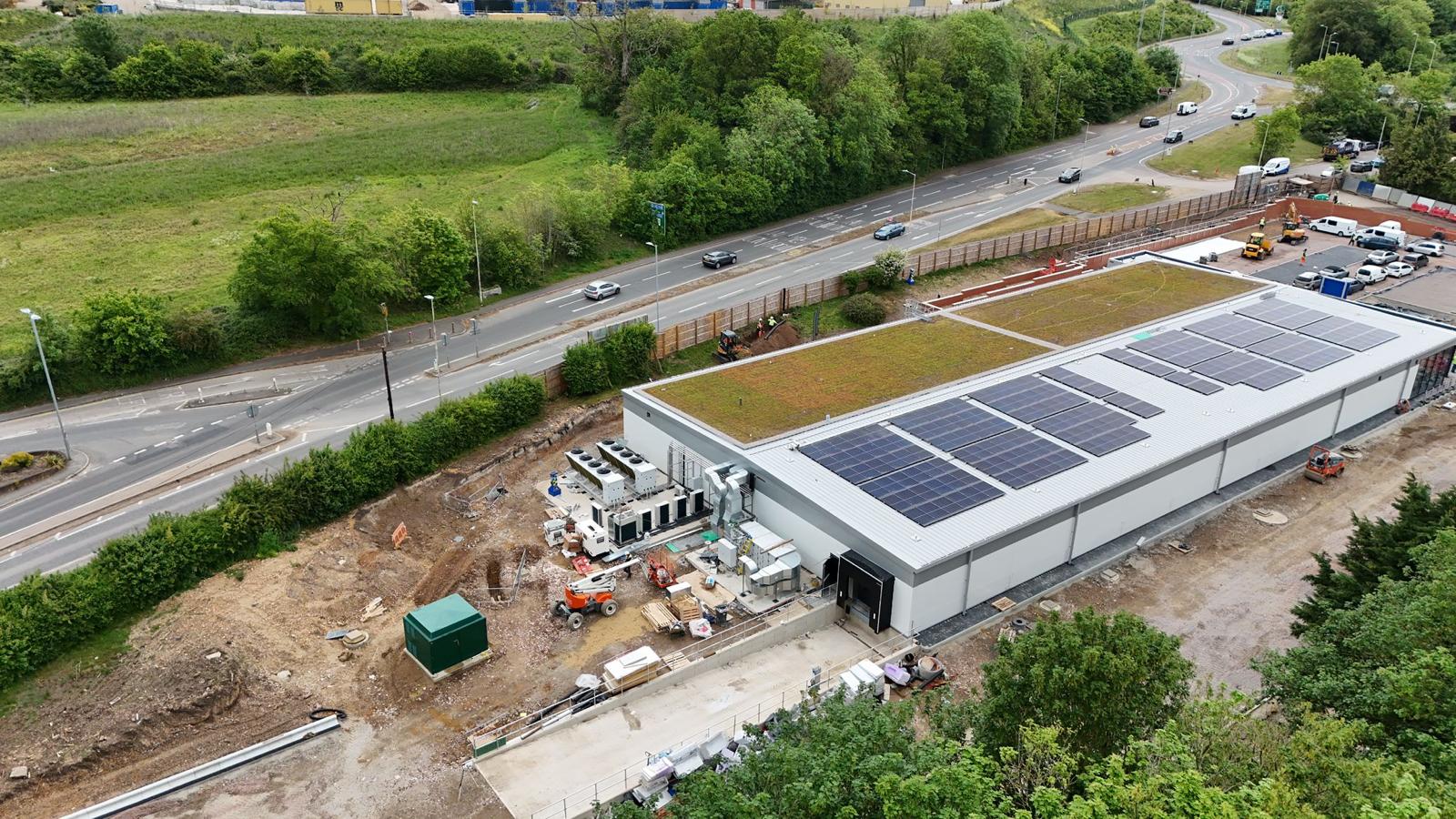
Full Store Refurbishment
A complete transformation of your retail environment, strip-out of all existing finishes and fixtures, structural modifications where required, and full reinstatement to a new layout and specification. This is the right approach when your store is significantly outdated, changing brand, or moving to a substantially different retail format.
Full store refurbishments are typically delivered on a closed-site basis; the store is shut for the duration of works and reopens to a transformed environment. Programme length depends on scope and size, but typically runs 6–16 weeks for a standard high street or shopping centre unit.
Phased Refurbishment — Live Trading
For stores that can't afford to close or where operational continuity is more important than build speed, a phased refurbishment allows work to proceed section by section while the rest of the store trades as usual.
We plan phased programmes around your trading hours and operational priorities. High-noise and high-disruption activities are scheduled for out-of-hours. Each section is reset to a clean, safe, trading-ready condition before the store opens. The total programme is longer than a closed-site refurbishment, but your revenue continues throughout.
Brand Refresh and Modernisation
For retailers whose stores are structurally sound but visually outdated, a brand refresh updates the key customer-facing elements, flooring, lighting, ceiling, signage, shopfront, and fixture finishes without a full strip-out. This is a cost-effective way to modernise the shopping experience and extend the life of your retail space without the cost and disruption of a full refurbishment.
Multi-Site Refit Programmes
For retailers managing an estate of stores, consistency of delivery across multiple locations is as important as the quality of any individual project. We run multi-site refit programmes with a dedicated programme management team, central procurement, and standardised quality control processes across every site. You get consistent results and a single point of accountability regardless of how many locations are in the programme.
Landlord Dilapidations and Make-Good Works
At the end of a lease, most retail tenants are required to return a space to a defined condition. We manage dilapidations programmes and make-good works to landlord specification, handling negotiations, works, and sign-off so you can exit a lease cleanly.
Not every store needs a refurbishment, and not every refurbishment delivers the return it promises. Here's an honest assessment of when it makes commercial sense.
The store is underperforming relative to the estate. If one or two locations are consistently below the brand average in conversion, average transaction value, or customer satisfaction scores, and the locations themselves are sound, the physical environment is often a contributing factor. A well-executed refurbishment routinely delivers a 15–30% uplift in sales performance in the 12 months post-opening.
The brand has evolved, but the store hasn't. Brand identities evolve over time. Stores fitted to an older specification can actively damage brand perception, particularly among customers who've visited newer locations and expect consistency. A brand-aligned refurbishment brings your worst-performing stores up to the standard of your best.
The lease has been renewed, and the landlord is contributing. Lease renewals are often the practical trigger for retail refurbishment. Many landlords offer a rent-free period or a capital contribution towards fit-out works as part of lease negotiations. If you're renewing a lease, this is the moment to use that contribution to improve the space.
The store is functionally obsolete. Retail environments that predate modern lighting technology, current energy-efficiency standards, or contemporary customer expectations for layout and experience are functionally obsolete, even if structurally sound. The cost of continuing to operate a high-energy, low-performing space often exceeds the cost of refurbishment within a few years.
When refurbishment is the wrong answer: if the location is fundamentally the problem, footfall is declining, the retail mix around you is deteriorating, or the unit itself has constraints that can't be resolved by refurbishment, investing in the fit-out is unlikely to deliver the return you need. We'll tell you this honestly at the consultation stage if the evidence points to it.
Retail refurbishment is a coordination-intensive discipline. Multiple trades, demolition, MEP, flooring, ceiling, joinery, decoration, signage, need to sequence through the same space in the right order, at the right pace, without creating conflicts that delay the programme or compromise the finish.
Most contractors manage this by subcontracting each trade separately and hoping the coordination works. When it doesn't, and it frequently doesn't, you get delays, quality disputes between trades, and a programme that runs over time and over budget.
At RCC, every trade on your refurbishment is our own team. Our site manager coordinates trades who work for RCC directly, not independent subcontractors with their own priorities and their own programmes. When the flooring team needs to move ahead of the ceiling team, that decision is made on site in minutes, not through a chain of subcontractor calls. The result is a tighter programme, a more consistent finish, and a site that's genuinely under one team's control from start to finish.
National Retail Brands and Multi-Site Operators
You have brand standards, an estates team, and a refurbishment specification that every contractor needs to work to exactly. What you need from a contractor is consistent delivery across multiple locations, the same standard on site 15 as on site one.
We understand how national retail programmes work. We've managed concurrent refurbishments across multiple sites, coordinated with internal brand and property teams, and delivered to exacting brand specifications without requiring management. Your programme manager shouldn't need to chase us for updates or chase quality issues at handover.
Independent Retailers
If this is your first significant refurbishment, the process can feel opaque. You don't know what you're paying for, what could change the cost, or what the store should look like at each stage of the build.
We'll walk you through every element of the cost plan before you commit. We'll introduce you to the team who'll be on your site. And we'll give you honest advice on where to spend and where to save, because a good refurbishment contractor helps you get the best results from your budget, not the largest possible scope.
Site Consultation and Scope Development
We start with a site visit. We want to understand your brief, brand standards, trading constraints, and programme requirements before we price anything. After the consultation, you receive a detailed, line-by-line cost plan, not a single figure with undisclosed assumptions.
Design and Pre-Construction
Where design input is required, we work with your designer or ours to develop technical drawings, specify materials, and place orders for long-lead items before the programme starts. For projects in managed retail environments, we handle all landlord and shopping centre submissions during this phase.
Refurbishment Delivery
Your named site manager is on site every day. You have their direct number. Weekly written updates cover programme progress, upcoming decisions, and any emerging issues. Variations are agreed in writing before work proceeds; you will never open a final invoice and find costs you weren't expecting.
Handover
We hand over a snagged and certified space — not a list of outstanding items with a promise to return. Practical completion means the store is ready to trade. After handover, a 12-month defects liability period covers any failures within the scope of our work.
A cosmetic refresh of a standard high street unit typically runs 3–6 weeks. A full strip-out and refurbishment of a 2,000–5,000 sq ft store typically runs 8–14 weeks on a closed site. Phased live trading programmes take longer; the same scope might run 12–20 weeks when delivered around trading hours. We provide you with a detailed programme at the quote stage, tailored to your specific brief.
A basic refresh, including flooring, decoration, new lighting, and signage, starts from around £30–£60 per sq ft. A full refurbishment, including structural works, new MEP systems, bespoke joinery, and complete brand reinstatement, typically costs £80–£200+ per sq ft, depending on the specification. The most important thing is a detailed cost plan before you commit. We provide one as standard, line-by-line, with inclusions and exclusions clearly stated.
Yes. We deliver phased live trading refurbishments as standard. We plan work around your trading hours, schedule high-disruption activities out of hours, and reset the store to a clean, safe, trading-ready condition every morning before you open. It takes longer than a closed-site programme but keeps your revenue running throughout.
Yes. We're experienced in working within managed retail environments and understand the method statement submission process, working-hour restrictions, and landlord liaison requirements that come with shopping centre projects. We handle all of that coordination on your behalf.
Yes. We manage dilapidations assessments, negotiate schedules of condition with landlord surveyors, and deliver make-good works to the agreed specification. If you're approaching a lease end and need to manage your dilapidations liability, talk to us early, the earlier we're involved, the more options you have.
Yes. We have a dedicated programme management team for multi-site rollouts, with standardised processes, central procurement, and quality control across all locations. Whether you have 5 stores or 50, the delivery standard doesn't vary.
Would you like to learn more about how we can help you with your next residential or commercial project, fill in your details and a member of our team will be in touch.
Retailers planning a refurbishment face a frustrating problem. Ask three contractors what it costs, and you will get three completely different answers, each qualified with so many caveats that the figure is almost meaningless. ..
Read Full Story »
The first question most retailers ask before starting a fit-out project is the same one every time. How much is this going to cost? It is a fair question, and one most contractors are frustratingly vague about. The honest answer is tha..
Read Full Story »