Retail Park Building Contractors

Retail parks are the strongest performing retail format in the UK and developer and investor confidence in the sector is at its highest level in two decades. If you are building new, repositioning an existing asset, or opening a unit within a scheme, your construction contractor determines whether that investment performs as planned. RCC deliver retail park construction for developers, investors, and national retailers across the UK. One team, one contract, no subcontracting.

Retail Park Building Contractors

New Build Retail Park Units, Enabling Works and Refurbishment Programmes Across the UK

Retail parks are the strongest performing retail format in the UK right now and the numbers bear that out. Investment in UK retail warehouses surged 32 per cent year-on-year in the first half of 2025, reaching £1.5 billion, reflecting growing investor confidence in the sector's resilience and long-term growth potential. Retail warehouses remain the most preferred retail format among investors, with sentiment for UK retail warehouses at its highest level since the early 2000s. RocketReach

That investment confidence is translating into construction activity. New retail park developments, unit extensions, estate repositioning programmes, and the addition of food-and-beverage and drive-thru units to existing schemes are all generating significant construction demand. Developers, investors, and national retailers are all actively appointing contractors for retail park construction, and the quality of that appointment determines whether a scheme opens on time and trades as intended from day one.

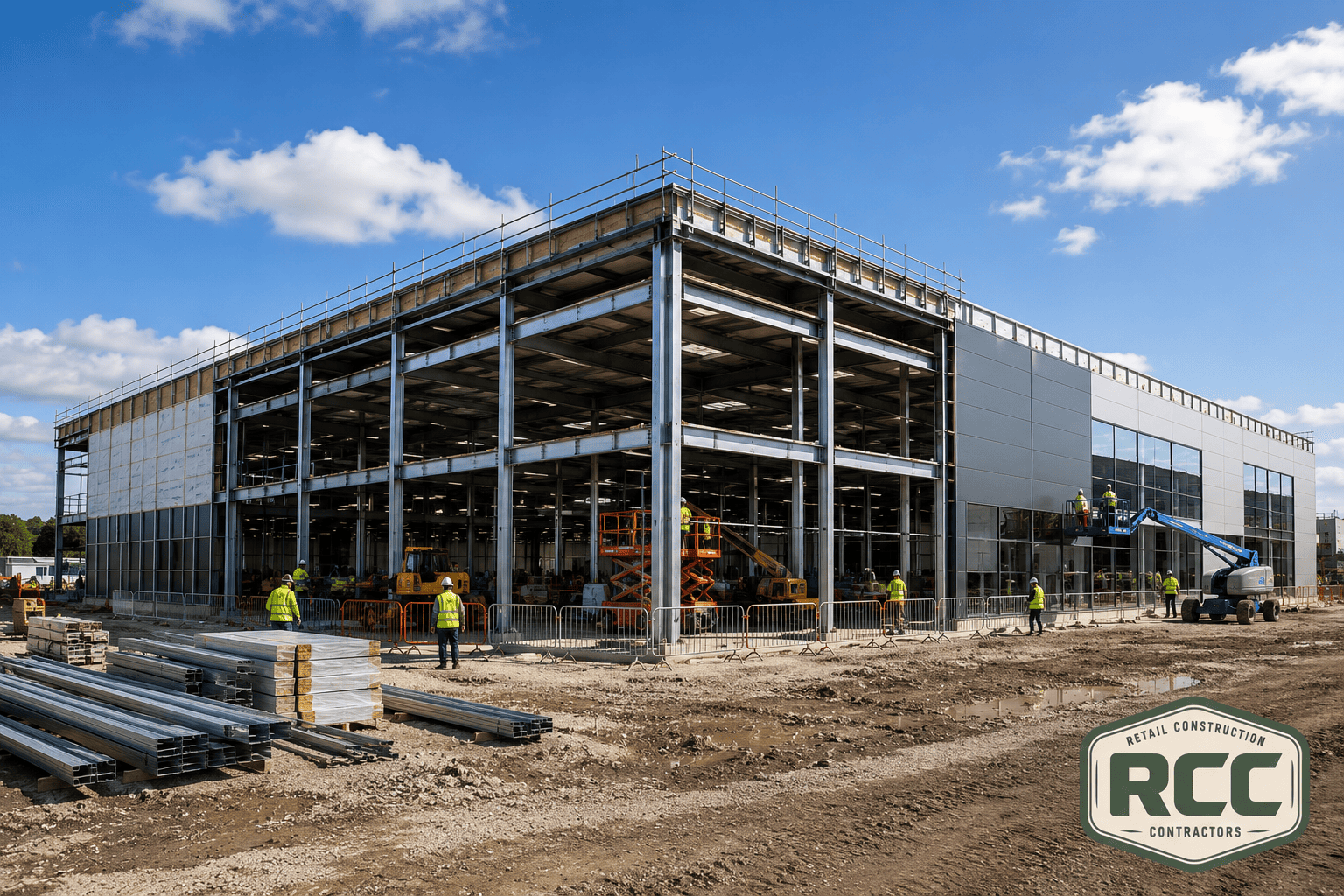
RCC is a specialist retail park construction contractor. We deliver new build retail park units, multi-unit scheme construction, enabling works, car park development, and retail park refurbishment programmes across the UK. Every project is under a single principal contractor contract, with our in-house trades on every site. Nothing is subcontracted. We do the work.

supermarket-construction-uk1 AM.png

Why the Retail Park Sector Is Performing So Strongly Right Now

Understanding the market context behind a construction programme helps developers and retailers make better decisions about timing, scope, and investment.

According to CBRE's UK Retail Parks report, footfall is outperforming other retail formats, investor appetite is strengthening, and occupier demand remains resilient despite a volatile economic backdrop. The reason for this outperformance is structural rather than cyclical. Retail parks offer car-borne access, large-format units, and a tenant mix that efficiently serves everyday needs. They are not vulnerable to the footfall pressures that affect high street locations, and they attract the grocery anchors, discount operators, and essential service retailers whose trading is relatively resilient regardless of the economic backdrop. RocketReach

Leasing demand across retail and other major sectors is expected to rise in 2026, supported by lower new construction volumes and improving economic conditions, with strong competition for high-quality space. That supply-side constraint creates a specific opportunity for developers to bring new space to market, and a specific urgency for retailers to secure positions in well-located schemes before available units are taken. For retailers considering a retail park strategy and developers evaluating the viability of new schemes, the construction programme is the critical path between the investment decision and trading reality. Getting the right contractor appointed early, before design is fixed and before the programme is built around assumptions that a contractor has not yet tested, is the decision that most protects the commercial outcome of the scheme.
retail-construction-contractors-uk5.jpeg

If You Are a Developer or Investor Building a New Scheme

The question you are really asking when you appoint a construction contractor for a retail park scheme is not whether they can build it. Most contractors can build it. The question is whether they can deliver it in a way that protects the commercial relationships you have built with your pre-let tenants.

Your tenants have committed to opening dates that are tied to their own lease obligations, their own staffing plans, and in many cases, their own marketing campaigns. A contractor who misses your programme does not just create a snag to fix. They create a problem between you and your tenant that costs money, damages a relationship you need for the life of the asset, and, in some cases, triggers legal remedies under the lease.

Leasing demand across retail and other major sectors is expected to rise in 2026, supported by lower new construction volumes and improving economic conditions, with strong competition for high-quality space. That supply constraint means tenants have choices. A developer who delivers late or delivers poorly makes it harder to retain those tenants when their leases expire and harder to attract the next generation.

Here is what you should expect from a retail park contractor and what we deliver on every scheme.

A programme built around your tenant commitments, not around ours. Before we price anything, we review the individual opening date requirements of every pre-let tenant and build the construction programme around those dates. Not a generic construction sequence with tenant dates dropped in afterwards.

One senior contact for the entire scheme. A single project manager who knows every unit, every tenant's requirements, every planning condition, and every infrastructure dependency. You have one number to call and one person who is accountable for the whole programme.

Pre-construction surveys that find the problems before the programme starts. Brownfield sites, in particular, carry ground-condition and contamination risks that can derail a programme if they are discovered during construction. We complete ground investigation reviews, contamination assessments, and utility surveys during pre-construction so that the cost plan you receive reflects what the site actually involves, not a best-case assumption.

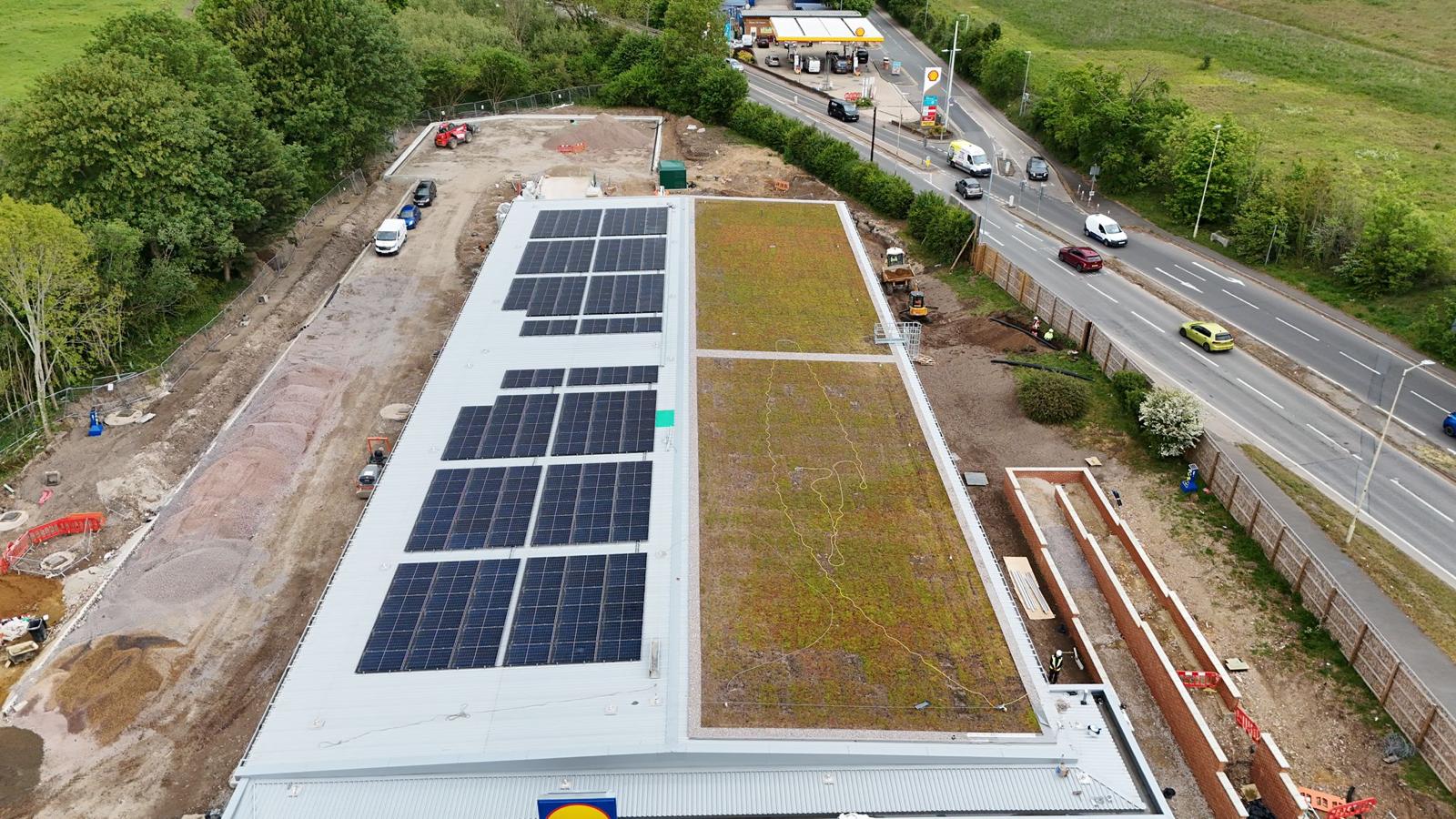
Infrastructure built to protect your asset value over decades. Surface water drainage that handles peak runoff without flooding the car park. Subbase specification designed for the actual vehicle loads your scheme will carry. Car park surfacing that performs well in five years, not just on handover day. These are not details that cost you more to get right. They are details that cost significantly more to remediate when they are got wrong.

Planning conditions are managed proactively, not reactively. Every planning consent comes with conditions. Pre-commencement conditions must be discharged before works can start. Others must be met at specific stages of the programme. We maintain a live planning condition log from day one and manage each discharge proactively, so conditions are never the reason a programme slips.

new-build-retail-supermarket-manchester-lidl.png

If You Are a National Retailer Opening a Unit in a Retail Park

Your situation is different from the developer's but equally specific. You have secured a unit, you have a lease commitment, and your marketing team has already started building the opening campaign. The last thing you need is a contractor who does not understand how to work within a developer's construction programme, creates coordination problems that delay the handover, or delivers a fit-out that does not meet your brand specification.

The three things that matter most to you are straightforward.

Your opening date. Everything in your business plan is built around it. We build our programme to protect it. If something in the programme threatens your date, you will hear about it from us immediately, not when it has already become a problem.

Your brand specification. We work to standardise brand specification documents. Before any work starts, we review your brand guide against the unit's physical realities, identify any conflicts, and resolve them during pre-construction. We do not discover on site that the specified joinery does not fit the column grid and then have a conversation with you about it under programme pressure.

A fit-out that is actually complete on handover day. We snag before we hand over. The snagging exercise is a formal activity with a checklist and a sign-off process, not an informal walk-round on the last day. When you take possession of your unit, it is ready to trade, not almost ready.

If your unit is in a managed retail park where the developer has their own construction team on site, we understand how to work within that environment. We know what landlords expect of tenant contractors regarding method statements, access protocols, delivery windows, and daily site management. We do not create friction with the developer's programme. We fit within it cleanly.

For a full explanation of how we approach retail fit-out delivery, including the specific requirements of managed development environments, our retail fit out contractors page covers the complete process.

retail-construction-uk.jpg

If You Are an Investor Repositioning an Existing Retail Park

The investment case for repositioning an underperforming retail park is often compelling. Retail parks in the UK are entering a new growth phase as international investors revisit this asset class with stronger confidence. Retail parks have always offered advantages that traditional high street locations sometimes struggle to provide, and their outperformance reflects a fundamental shift in how consumers use physical space. Contract Services

The construction challenge in a repositioning programme is specific. You cannot empty the scheme and build. Your existing tenants have leases. They are trading. Their businesses depend on the car park being accessible and their units being reachable. Construction that disrupts their trading harms your income profile and your relationship with the tenants you are trying to retain.

We manage this well because live trading construction is not an exception to how we work. It is what we do routinely. Our approach to refurbishing an occupied retail park draws directly on the same disciplines we use for live-trading retail store refurbishments. Works are phased around trading hours. Car parking is maintained in usable sections throughout. Deliveries and site activity are managed to avoid the peak trading periods that matter most to your tenants. Every morning, the shared areas are reset to a standard that does not alert your tenants' customers to construction nearby.

A retail park repositioning programme typically involves the following elements.

New facades and shopfronts that update the scheme's visual character and signal to the occupier market that the asset has been reinvested in. Reconfiguration of unit layouts where the existing demises do not suit the tenant mix you are targeting. Improved car park infrastructure, including resurfacing, drainage remediation, new line marking, updated lighting, and EV charging provision. New food and beverage provision, which consistently attracts additional footfall to the wider scheme, extends trading hours and improves the scheme's resilience. Updated service infrastructure. Landscaping improvements that affect the first impression every customer forms of the scheme.


Tenants increasingly want efficient buildings with strong EPC ratings and clear sustainability credentials, and lenders are also pricing in environmental performance when financing retail assets. A repositioning programme that addresses the scheme's energy performance alongside its visual and operational character has a stronger letting story to tell incoming tenants and a stronger asset story to tell lenders and future buyers.

retail-construction-contractors-uk5.jpeg

The Specific Construction Challenges That Catch People Out

Regardless of whether you are building new or repositioning existing, three specific challenges in retail park schemes pose the greatest problems for developers and investors who have not encountered them before.

Highway works take longer than almost anything else to programme.

Every retail park development involves some form of highway works, whether that is the access junction into the site, improvements to the surrounding road network as conditions of the planning consent, or the adoption of new internal roads. Highway works involve the local highway authority, sometimes the relevant statutory undertakers, and, in many cases, detailed technical submissions that must be reviewed and approved before any physical works can begin.

The highway authority's review and approval timeline is the least controllable element of the retail park programme. We start the highway authority coordination process as early as possible in pre-construction, not when we need the approval, but weeks or months before. This is one of the areas where an early contractor appointment genuinely protects the developer's programme.

Brownfield sites pose ground-condition risks that generic cost plans do not cover.

Many of the most commercially attractive retail park development opportunities are on brownfield land. Former industrial sites, disused retail land, and redundant infrastructure sites all offer planning policy advantages and often better locations than greenfield alternatives. They also carry ground condition risks that are impossible to fully understand from a desktop assessment alone.

Contamination from previous industrial uses, unexpected buried structures, differential ground conditions affecting foundation design, and drainage complications from historical landfill or fill material are all common findings on brownfield retail park sites. A cost plan produced without a thorough pre-construction site investigation carries unquantified risk. We complete ground investigation reviews and contamination assessments before pricing every brownfield retail park project, and we include a properly considered contingency that reflects the site's actual risk profile.

Car park construction is not just surfacing.

This is the element of retail park construction that is most commonly treated as a value-engineering opportunity and most commonly regrets it. The long-term performance of a retail park car park is determined almost entirely by what happens below the surface. The subbase specification, compaction, drainage design, and the gradient of the finished surface are the factors that determine whether your car park drains correctly and holds its shape in five years' time.

A car park that floods in heavy rain, develops surface rutting under delivery-vehicle loads, or shows premature cracking creates a poor customer experience and an asset-management problem. We specify and build car park substructures to the standard appropriate to the scheme's actual loading and drainage conditions, not to a generic commercial rate that cuts subbase depth to save money. The additional cost of doing it correctly is modest relative to the cost of doing it wrong.

food-grocery-construction-uk.png

Types of Retail Park Construction We Deliver

New Build Retail Park Schemes

Ground-up development of retail park schemes from enabling works through to shell completion, infrastructure, external works, and highway works. We manage the entire construction scope under a single principal contractor contract, coordinating unit programmes, shared infrastructure, and tenant fit-out requirements through a single programme team.

Individual Retail Park Unit Construction

Shell and core construction and, where required, full interior fit-out for individual units within existing or emerging retail park schemes. We manage the interface between the developer's shell programme and the tenant's fit-out requirements, ensuring a clean handover between the two.

Retail Park Refurbishment and Repositioning

Facade upgrades, unit reconfiguration, car park improvement, new food and beverage provision, and infrastructure upgrades for existing retail park schemes, delivered with the scheme trading throughout. For more on our approach to live trading construction, our retail refurbishment contractors page explains the discipline in detail.

Drive-Thru and Food and Beverage Addition

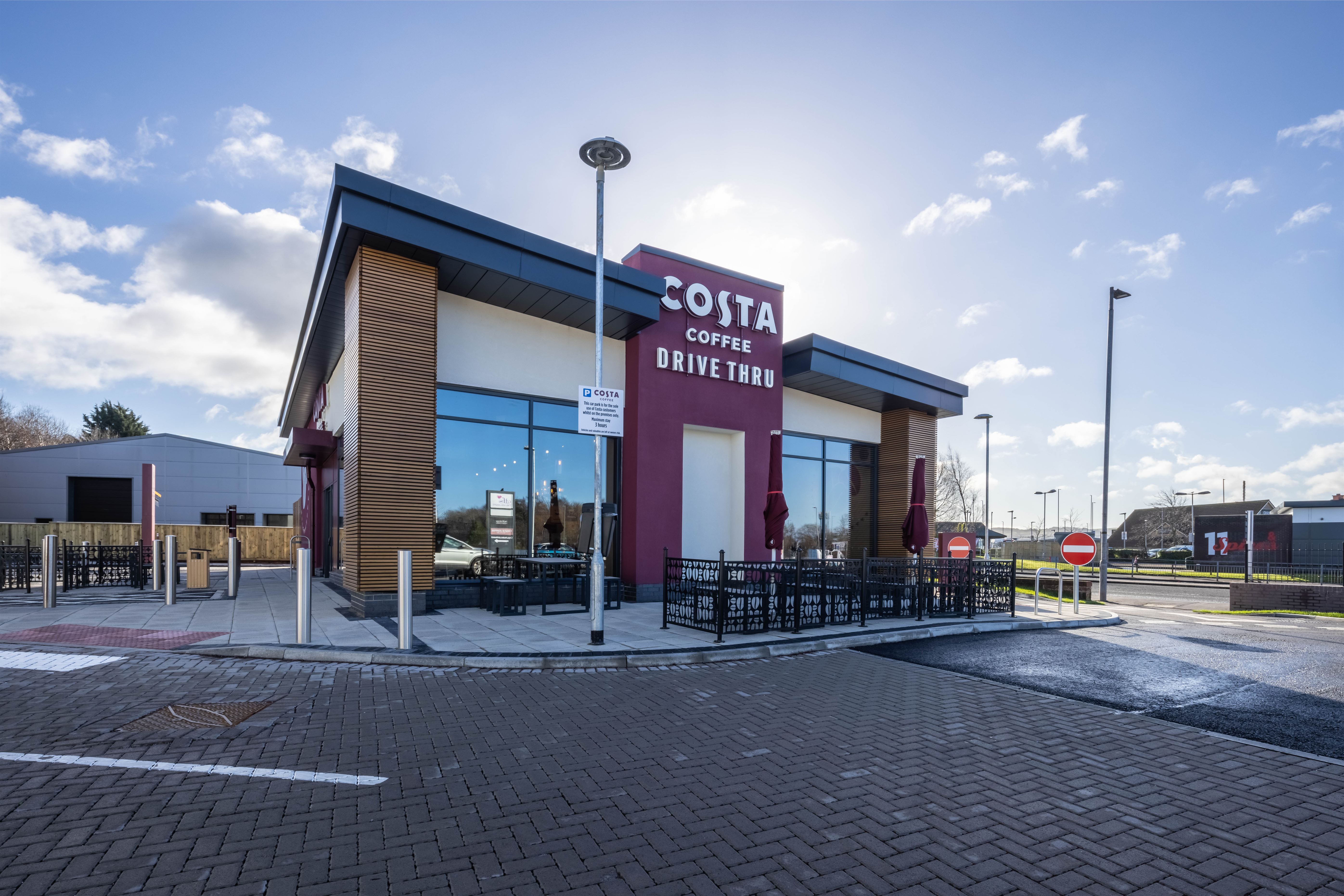
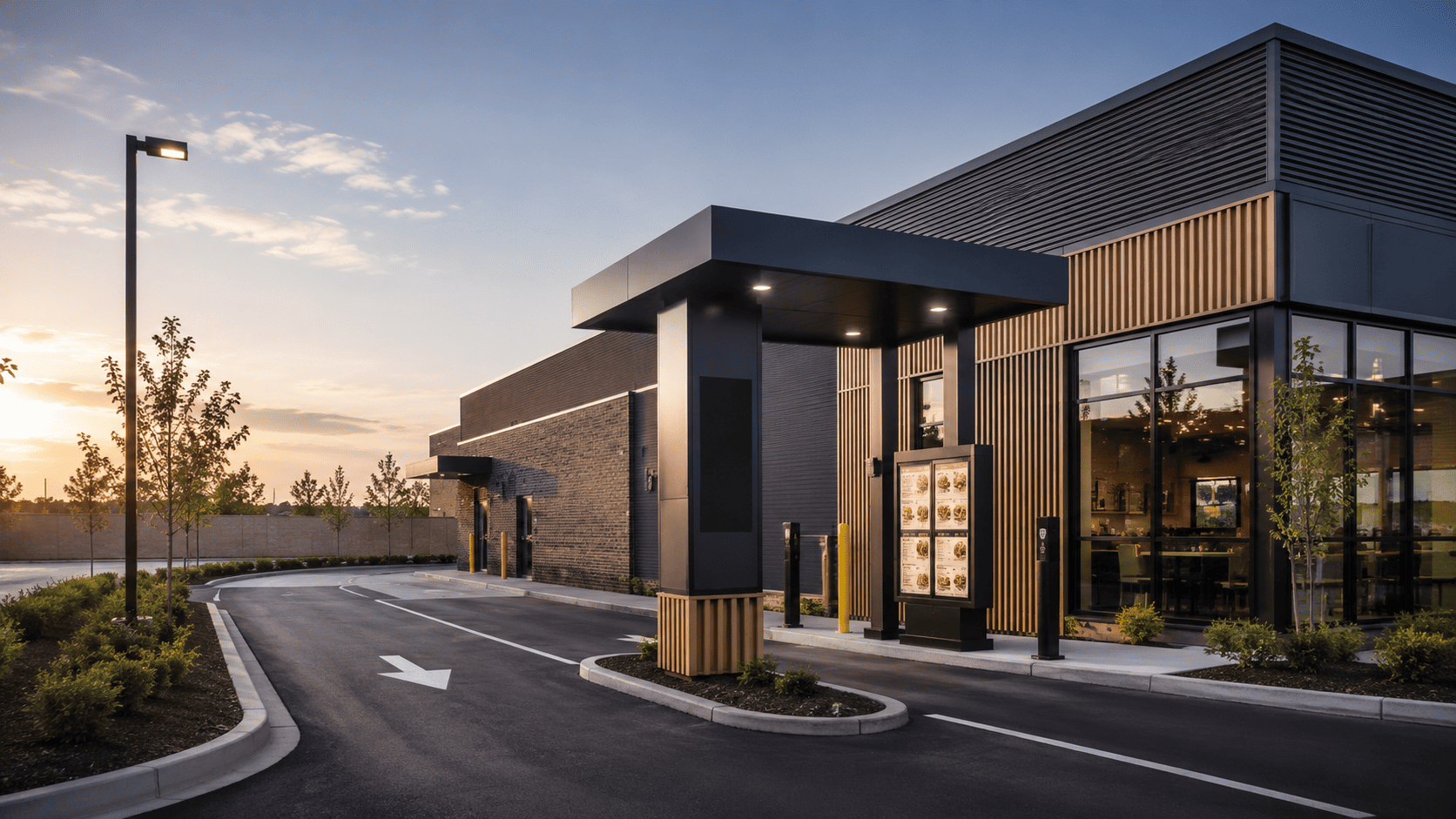
New drive-thru restaurant units, food and beverage kiosks, and quick service restaurant units added to existing or new retail park schemes. Our drive-thru construction page and food retail construction page cover the specific delivery requirements for each format.

Supermarket and Grocery Anchor Units

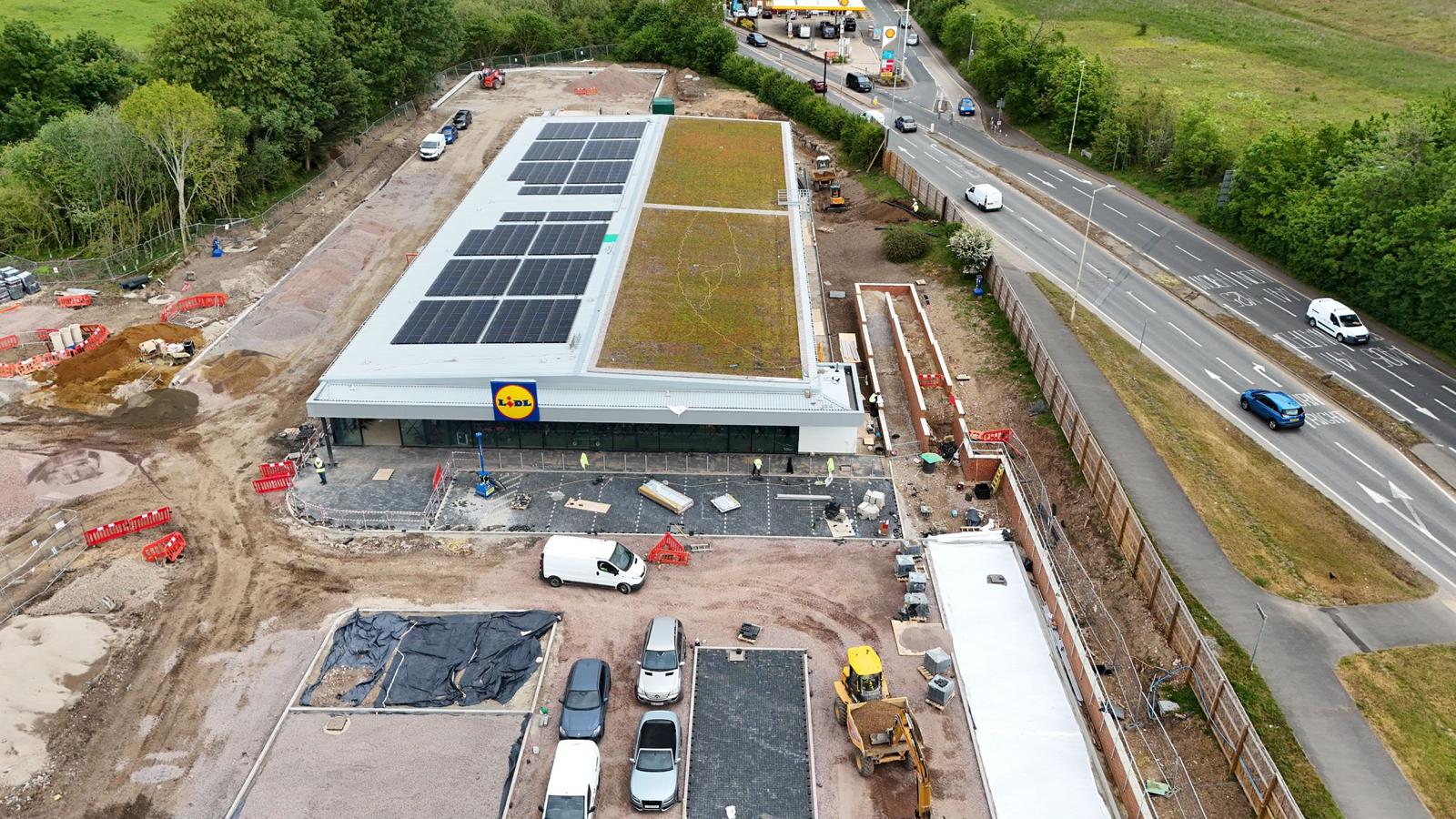
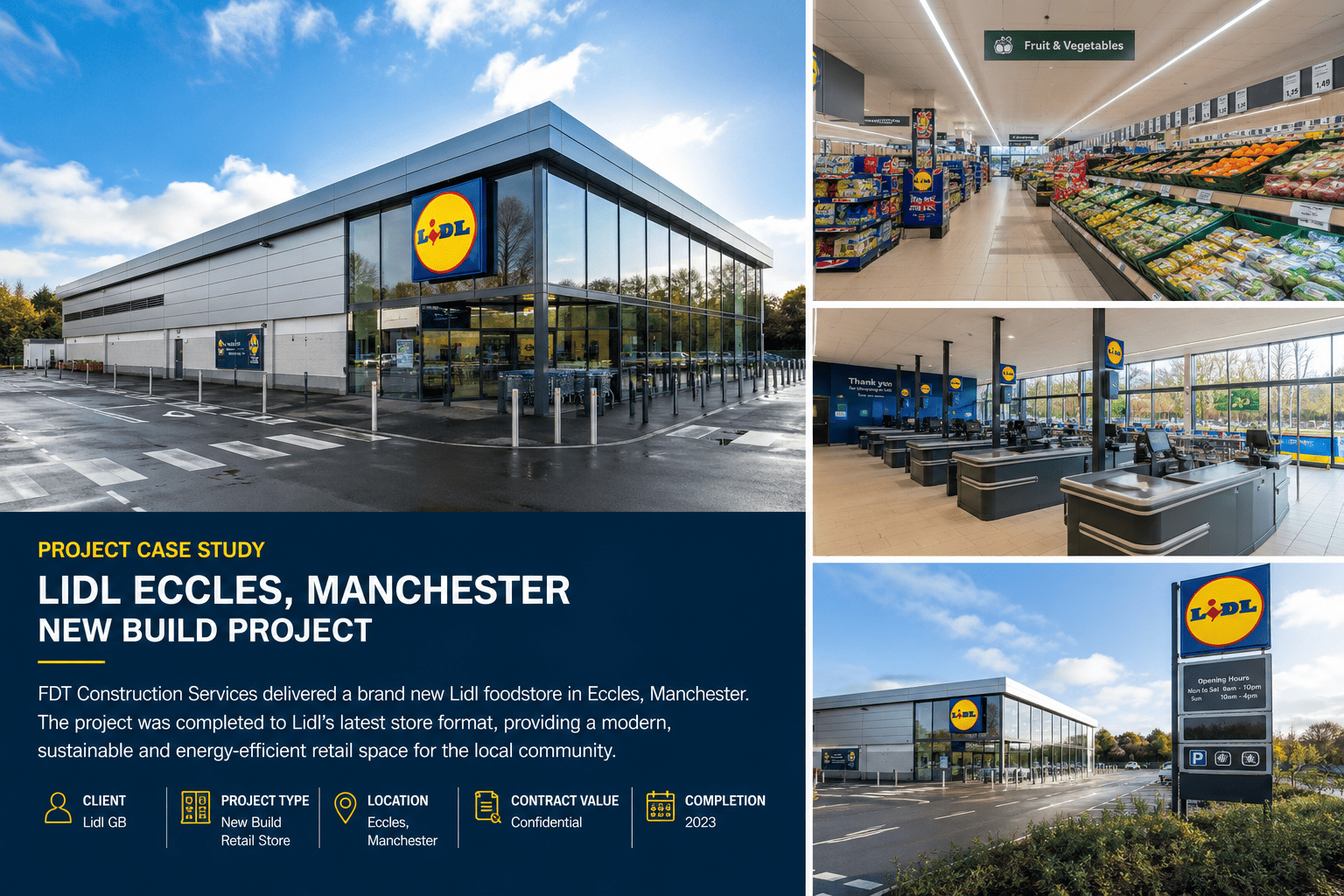
Large-format food retail units within retail park schemes, including all refrigeration infrastructure, MEP coordination, food-safety-compliant construction, and the specific programme considerations for grocery retail delivery. Our supermarket construction page covers our experience and approach in this sector.

drive-thru-construction`.png

What Our Process Looks Like From Your Side

The first conversation

We will ask you about the scheme, your tenants and their requirements, your programme, and your planning position. We want to understand the commercial context before we think about the construction scope. The questions we ask at this stage tell you a lot about how we work.

The cost plan

You receive a line-by-line cost plan covering every element of the scheme. Not a single figure. Not a rough order of magnitude. A document that tells you what every element costs, what is included, what is excluded, and what the assumptions are. This is the document you need to make a fully informed investment decision.

Pre-construction

We start working on your project before a single machine goes on site. Planning conditions are reviewed, and a discharge strategy is agreed upon. Highway authority coordination begins. Ground conditions are assessed. Long lead procurements are placed. Tenant fit-out programmes are coordinated with the shell programme. The programme we give you at this stage is the one we intend to hit.

On site

Your senior project manager is accountable for the programme from day one. You have their direct number. Weekly written updates cover progress against the programme, any emerging issues, and any decisions that need to be made. Variations are agreed in writing before any additional work proceeds.

Handover

Units are handed over snagged, certified, and ready. Shared infrastructure is complete. Highway conditions are discharged. The full handover documentation pack, covering building control certificates, warranties, operating and maintenance manuals, and commissioning certificates, is provided at practical completion.

Ready to Discuss Your Retail Park Project?

Whether you are a developer who has secured a site, an investor evaluating a repositioning, or a retailer who needs a unit delivered within a development programme, the conversation starts with a site visit and an honest assessment of what your project involves.


Call us on 0203 4322 905, email us at info@retailconstructioncontractors.co.uk, or complete the contact form, and a senior member of our team will get back to you within one business day. We do not pass enquiries to junior staff. The person you speak to first can actually answer your questions.

FAQ

What is the realistic programme for a new build retail park unit?

-

A standard large format unit from groundworks to shell practical completion typically runs 16 to 26 weeks, depending on site conditions, specification, and where the unit sits in the overall scheme programme. Full shell and fit-out delivery runs 22 to 36 weeks. We give you a programme at the quote stage that reflects the specific conditions of your site.

How early do you need to be appointed to protect the programme?

-

For schemes with pre-let tenants and planning conditions that involve highway authority coordination, early appointment makes a meaningful difference. Highway works approvals, planning condition discharge, and long lead procurement all start during pre-construction. A contractor appointed after design is fixed and programme is already committed to has less ability to protect it than one who was involved in setting those commitments.

How do you manage a scheme where tenants have different opening date requirements?

-

We build a programme that identifies every tenant's opening date requirement and works backwards from it. The shared infrastructure timeline, the individual unit shell programme, and the fit-out programme for each unit are coordinated to ensure that no tenant's programme is compromised by another's.

Can you deliver the retail fit-out as well as the shell?

-

Yes. We offer complete delivery from shell and core through to trading-ready fit-out under a single contract. For retailers who want one contractor to manage the full scope rather than the interface between a shell contractor and a separate fit-out contractor, this model simplifies the programme and removes gaps in accountability between the two packages.

How do you handle a refurbishment programme where existing tenants are trading?

-

We plan works around trading hours, maintain car park access throughout, and reset shared areas to a clean standard at the end of every working shift. We have delivered live trading construction in environments as demanding as trading supermarkets and occupied shopping centres. A retail park refurbishment with trading tenants is well within our standard delivery model.

Do you work outside London?

-

Yes. We are London-based and deliver retail park construction programmes across England and Wales. Our regional supply chain relationships mean we can resource projects outside London without compromising site management quality.

Let’s get
started

Would you like to learn more about how we can help you with your next residential or commercial project, fill in your details and a member of our team will be in touch.

This site is protected by reCAPTCHA and the Google Privacy Policy and Terms of Service apply.

Latest From the Blog

retail-construction-contractors-uk3.jpeg
Coordinating Retail Construction Inside a Mixed Use Scheme

Building retail inside a mixed use scheme looks straightforward from the outside. Ground-floor retail, residential, or offices above. Separate entrances, separate occupiers, everyone gets on with their own project. In pra..

Read Full Story »
retail-refurbishment-contractors-uk AM.png
Why Supermarket Builds Go Over Budget

Most supermarket builds that go over budget do not fail because of bad luck. They fail because of decisions made in the first few weeks of a project that nobody challenged at the time. Having delivered eleven supermarkets..

Read Full Story »